What is it?
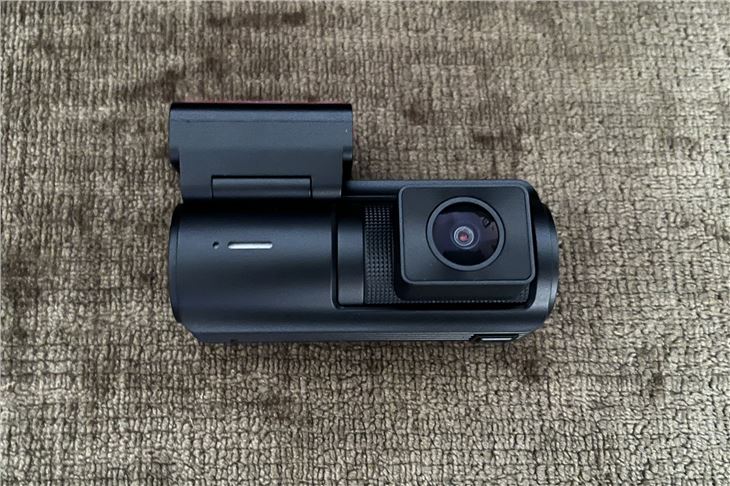
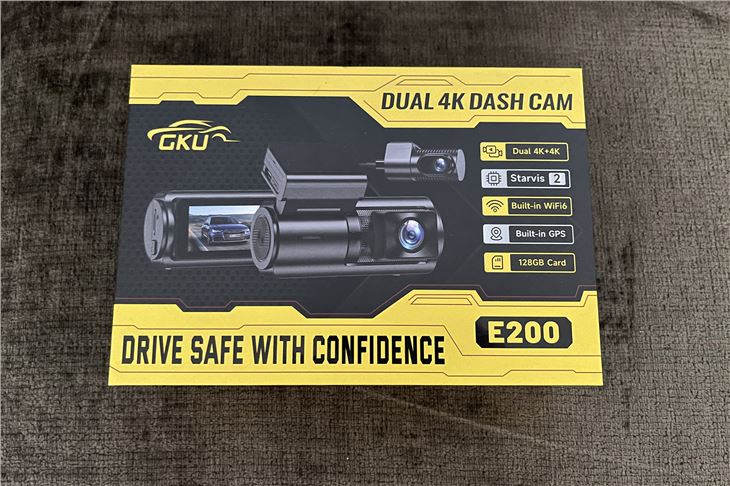
The GKU E200 is a dual-camera dash cam that aims to offer premium features but at an affordable price While the brand isn't as well known in the UK as Nextbase or Garmin, it is likely to get it noticed by those who look more at specification details than just brand names.
It records continuously from both the front and rear while each camera uses Sony's latest STARVIS 2 imaging technology, which promises better detail in poor light and improved dynamic range when driving into bright sunlight or facing oncoming headlights.
There's built-in GPS for recording speed and location, Wi-Fi 6 for transferring footage to your smartphone, voice control, loop recording and the usual emergency file locking if the camera detects a collision. An optional hardwire kit also enables 24-hour parking surveillance while the car is parked.
At around £175 – and often discounted well below that – the E200 sits in the middle of the dash cam market but has the sort of specification you'd normally expect to pay considerably more for. You can buy it directly from GKU.
What is it like?
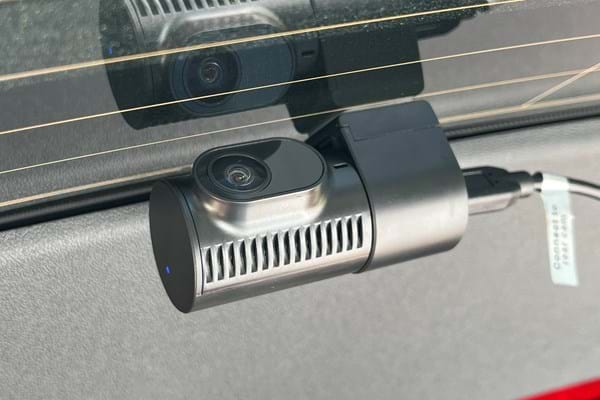
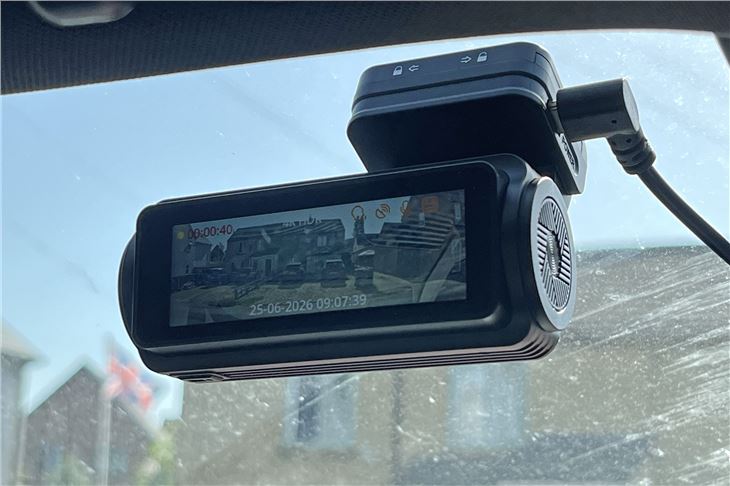
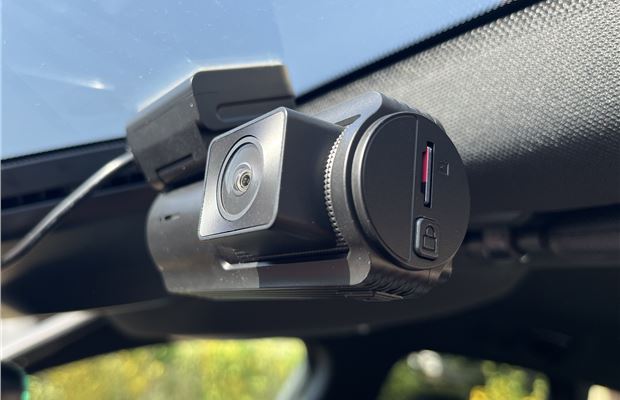
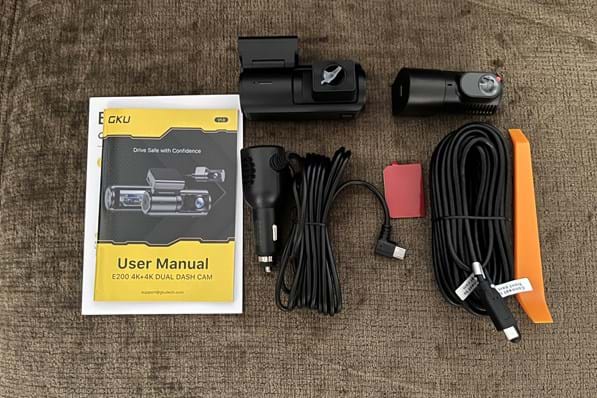
Our first impressions of the E200 are very positive. The E200 feels solidly built without being bulky and the compact front camera is small enough to hide neatly behind the rearview mirror once installed.
Unlike Nextbase dash cameras, however, it uses a permanent adhesive windscreen mount rather than a suction cup, which we prefer. Adhesive mounts tend to look neater and are less likely to fall off in hot weather, but we generally like suction mounts because they're easier to reposition if you don't quite get the placement right first time. Once the adhesive pad is stuck to the windscreen, moving it elsewhere usually means replacing it. If you need a dash cam to move between cars, this isn't for you.
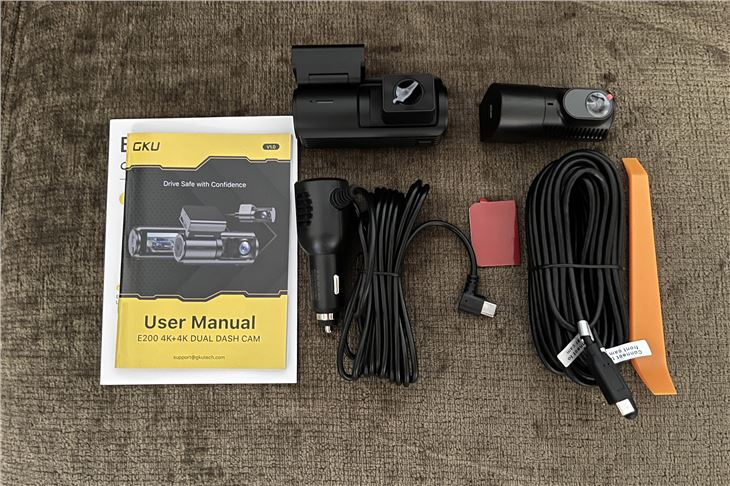
Installation is otherwise straightforward. The front camera plugs into a 12V socket and there's a handy USB socket built-in to the adaptor so you can still power something else while the dash cam is plugged in. If you don't have a 12v socket in your car, it will run off a USB-C, although you'll need your own cable.
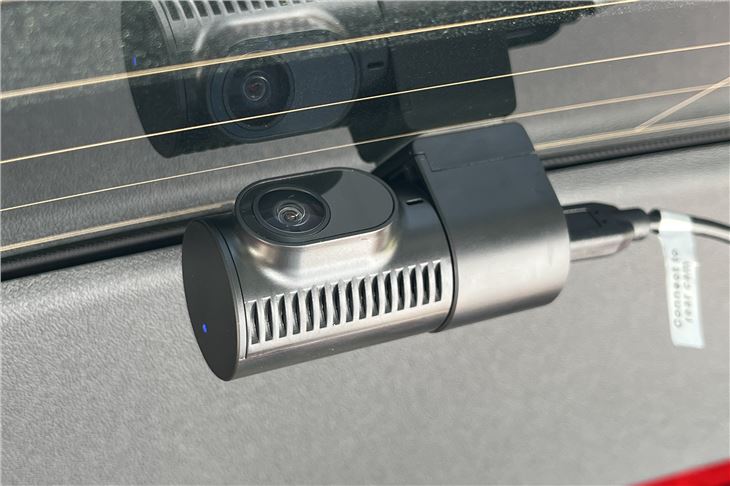
The rear camera is a bit more of a faff. It connects using a long cable that needs routing through the headlining and door seals. As with any dual-camera dash cam, that's the most time-consuming part of the job, but it's perfectly achievable for most DIY installers.
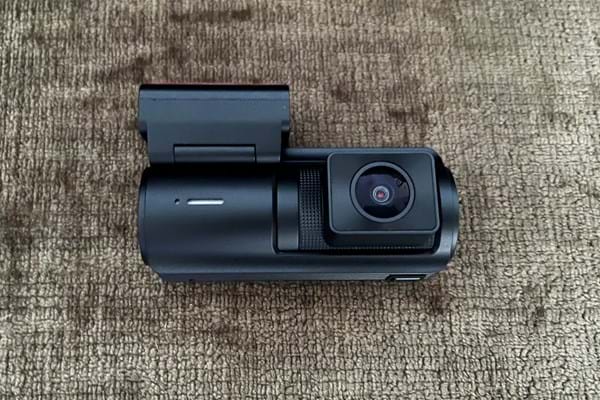
A very useful feature is that the E200 arrives with a 128MB microSD card already installed. It's one less thing to buy and means you can simply fit the camera and start recording straight away rather than having to source a compatible memory card separately.
The GKU app is generally very good. Once connected, you can adjust camera settings, download clips and review footage without removing the memory card. One particularly useful feature is the ability to rotate and mirror the rear camera image. That means it doesn't really matter whether you've mounted the rear camera the right way up or upside down during installation (which we did...), you can simply correct the image within the app in a matter of seconds.
The only slight frustration we encountered involved connecting to the camera's WiFi. If your phone is already connected to Apple CarPlay, it can sometimes stubbornly hang on to that connection instead of switching over to the dash cam's WiFi network. Disconnecting and forgetting CarPlay first usually solves the problem, but it isn't immediately obvious if you're setting everything up for the first time.
But image quality is where the GKU really shines. We tested it on some of the brightest (and hottest) days of the year so far in our car and to give it a real test we left the windscreen dirty - after all this is what most people's cars are like the majority of the time.
GKU markets it as a dual 4K system, although its published specifications aren't that clear about the front camera's maximum recording resolution. But in practice, image quality from both cameras is excellent. We're testing the GKU E200 in an Audi Q6 e-tron and although we haven't hardwired it in, we've installed it as if it was a permanent fixture. As always, bear in mind that YouTube compresses footage so what you see above isn't as good quality as what you'd see if you were viewing the raw footage yourself.
We found the daytime footage is impressively crisp, with plenty of detail across the frame and number plates remaining readable at sensible distances. More impressive still is its night performance. Thanks to the Sony STARVIS 2 sensor, glare from modern LED headlights is well controlled while darker areas retain plenty of detail, making the footage genuinely useful if you ever need to rely on it.
Once fitted and configured, the GKU E200 quietly gets on with its job, recording automatically every time you start the car. That's exactly what you want from a dash cam – you only really think about it when you need it.
Should I buy one?
If you're looking for a dash cam that captures front and rear footage without spending a fortine, the GKU E200 is a strong choice. For the money it's an impressive package that's easy to recommend.
It combines excellent video quality, particularly after dark, with a generous equipment list that includes GPS, Wi-Fi 6 and parking mode compatibility. Crucially, it delivers on the one thing that matters most – producing clear footage if the worst should happen.
Brand recognition may still favour the likes of Nextbase and Garmin, but on performance alone the E200 deserves to be considered alongside them. In fact, given how often it's available at a discounted price – we've seen it for under £100 on Amazon – it represents outstanding value.